Ladino music records the history of the Sephardic world: melodies that joined medieval Jewish liturgy with the Christian and Muslim music of Iberia, then traveled after 1492 to North Africa, Europe, and above all the Ottoman Empire, taking on new influences along the way. The course gives one session each to the genres at the center of Sephardic life: romansas (narrative ballads), kantikas (lyrical songs), and the historical poems and liturgical hymns known as coplas and piyyutim. Throughout, we’ll look at how oral transmission, community identity, and gender shaped each tradition, from medieval Iberia to today’s revival.
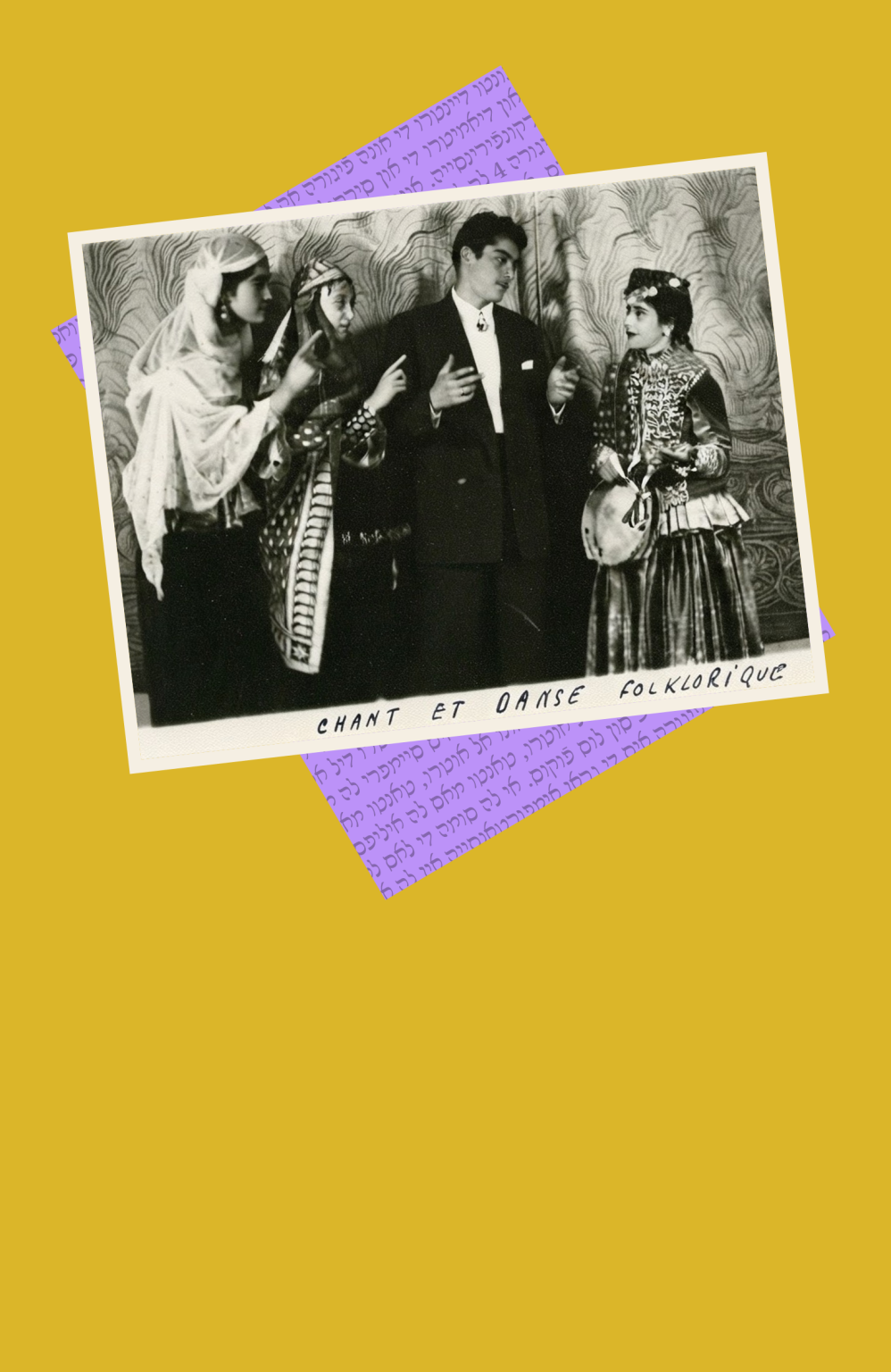
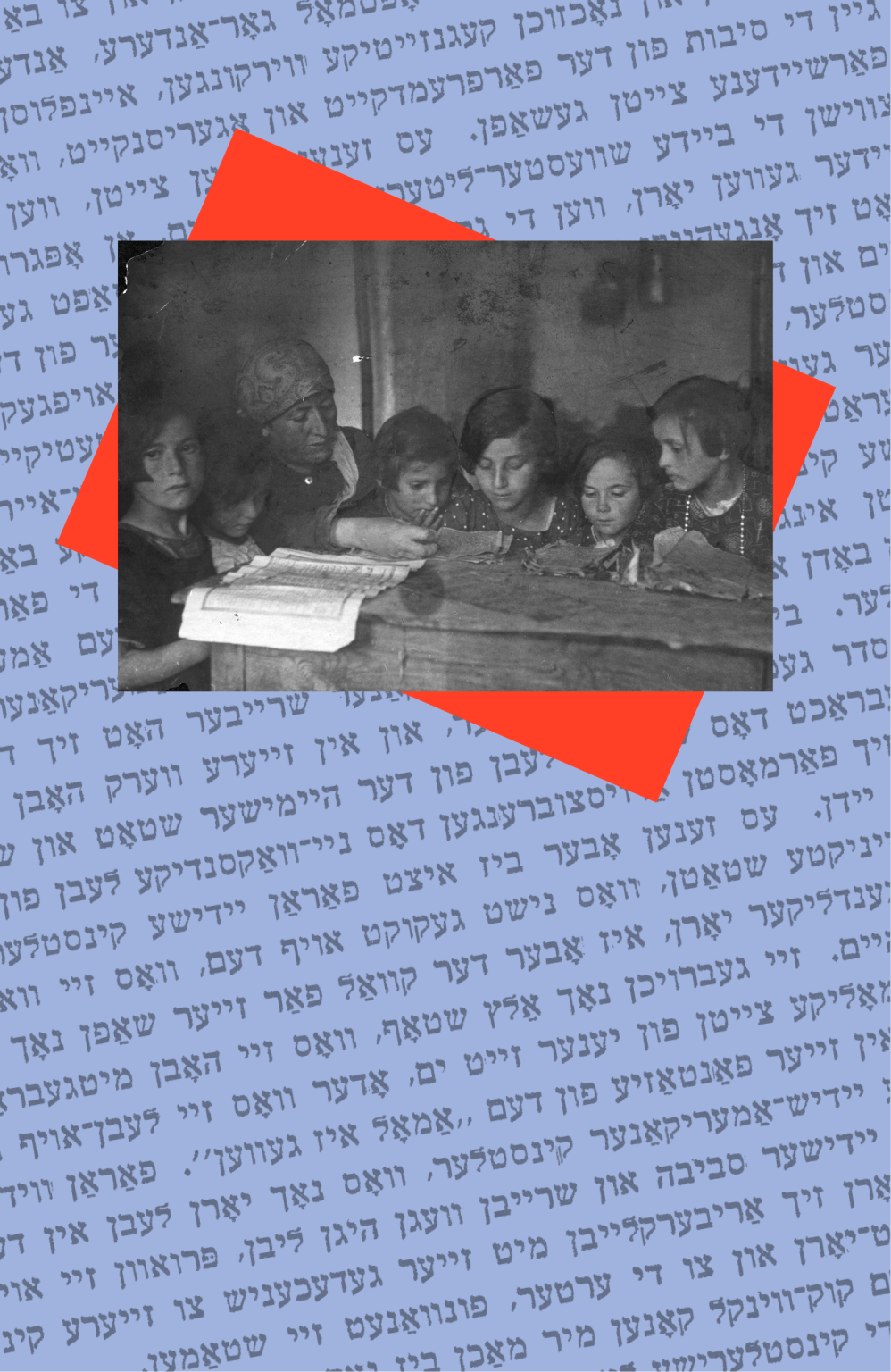
Session 1: The Narrative Tradition (Romansas) Ballads that began with Iberian street minstrels had spread through Christian, Jewish, and Muslim Spain by the fifteenth century. We’ll listen to romansas sung mostly by women and see how Sephardic communities reshaped their themes of loyalty, honor, and exile to reflect Jewish life.
Session 2: Life Cycle and Song (Kantikas) Kantikas, the tradition’s lyrical popular songs, took shape under Mediterranean and Balkan influence from the late nineteenth century on. Sung mostly by women, they cover love, family, weddings, lullabies, and laments, along with songs for the life cycle and the holidays.
Session 3: Faith and Identity (Coplas and Piyyutim) These two genres were performed by men. Coplas, composed by rabbis and scholars across the Ottoman Empire, taught Jewish history and ethics and chronicled real events such as plagues and political upheavals. Sephardic piyyutim, rooted in the Golden Age of medieval Spain, are sung in Hebrew and form the core of synagogue worship.
Who this is for
- Anyone interested in Sephardic history, Jewish music, or the Ladino language and its revival
- Students of Jewish liturgy and poetry curious about Sephardic traditions of coplas and piyyutim
- Readers and singers drawn to the oral and folk traditions of the Mediterranean and Ottoman worlds
What you'll leave with
- A grounding in the history of Ladino music from medieval Iberia through the Ottoman Empire to its modern revival
- Familiarity with the three core genres of Sephardic song
- An understanding of how gender, oral transmission, and community identity shaped this tradition over centuries
Three Wednesdays: November 25, December 2 and 9, 1–2:30pm Pacific Time
Questions? Our FAQ covers registration, recordings of missed sessions, refunds, and financial assistance.