
StaffPicks

A monthly selection of books, films, and cultural discoveries inspiring the New Lehrhaus team and the conversations we create.

  • READ
    Robby Adler Peckerar recommends

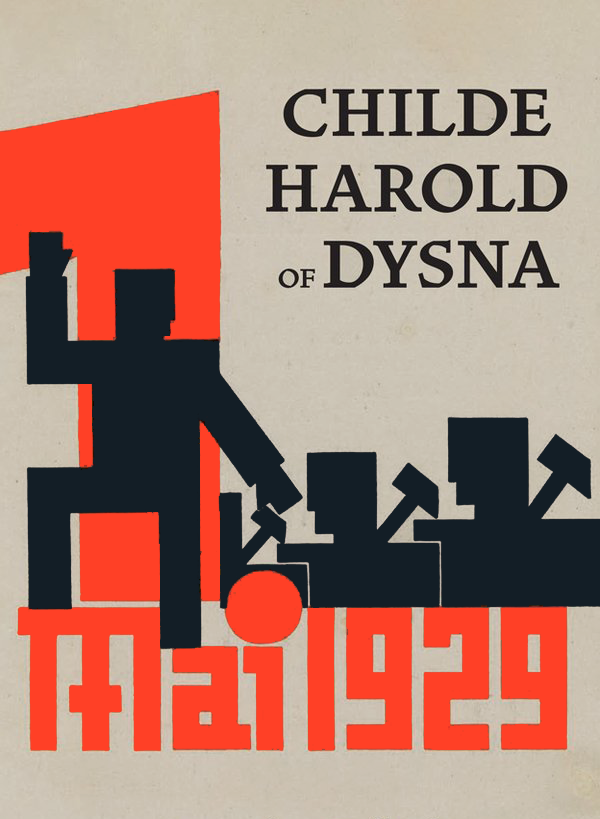
    Two by Kulbak: Childe Harold of Dysna and The Zelmenyaners

    Moyshe Kulbak

    Madeleine Cohen’s four-session course At Home in Diaspora, beginning October 8, reads Yiddish literature through four spaces: the town, the city, the courtyard, and the natural world. Moyshe Kulbak, the writer Robby wrote his dissertation on, is on her reading list, and two of Kulbak’s books between them take in all four. The Zelmenyaners, in Hillel Halkin’s translation with an introduction by Sasha Senderovich, follows four generations of one family through a single courtyard on the edge of Minsk as the Soviet 1920s and 30s arrive at the gate, bringing electricity, the radio, and the trolley, and with them the family’s first Party members. Madeleine reviewed the translation for In geveb when it appeared, and the review makes a fine way in.

    Childe Harold of Dysna, a long poem Robby translated for Naydus Press, sends a young man from a small town in the Belarusian provinces to Weimar Berlin, where his literary ambitions come apart in a city that is coming apart itself. Kulbak wrote it out of his own years in Berlin in the early 1920s, and Boris Dralyuk’s introduction sets the poem in that world. Both books are short enough to read alongside the course, and both were written in the same few years in Minsk, before Kulbak was arrested in the purges and shot in October 1937 at the age of forty-one.

  • READ
    Elle Aviv recommends

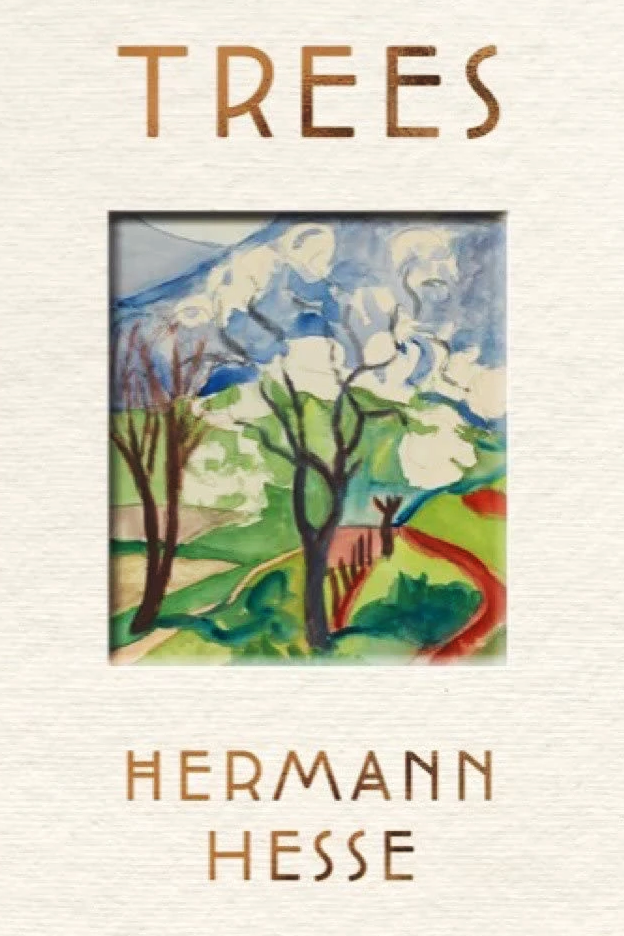
    Trees: An Anthology of Writings and Paintings

    Hermann Hesse (Translated by Damion Searls)

    With so many new languages on the fall schedule, Elle Aviv has been thinking about the delicate art of translation, and spending time with Trees by Hermann Hesse. This masterfully curated collection of poems and short writings by Hesse, translated by Damion Searls from the original German, won the American Translators Association’s Frederick Ungar Award. Part of the wonder here is the book’s 31 watercolors by Hesse, which live somewhere between the exuberantly playful iconography of Antoine de Saint-Exupéry and the vivid meditations of Die Brücke school’s forest-dwelling members.

    In our autumn season, Hesse’s written insights tilt and shimmer like facets of a jewel box. He takes trees as invitations into the deepest questions: life, death, change, and the tension between nature and spirit. The trees we attend to, Hesse writes, can lead us back to each other: “I learned to look upon people as trees… to contemplate them, and honor them no less, love them no more, than I did the quiet pines.”

  • READ
    Jim Mavrikios recommends

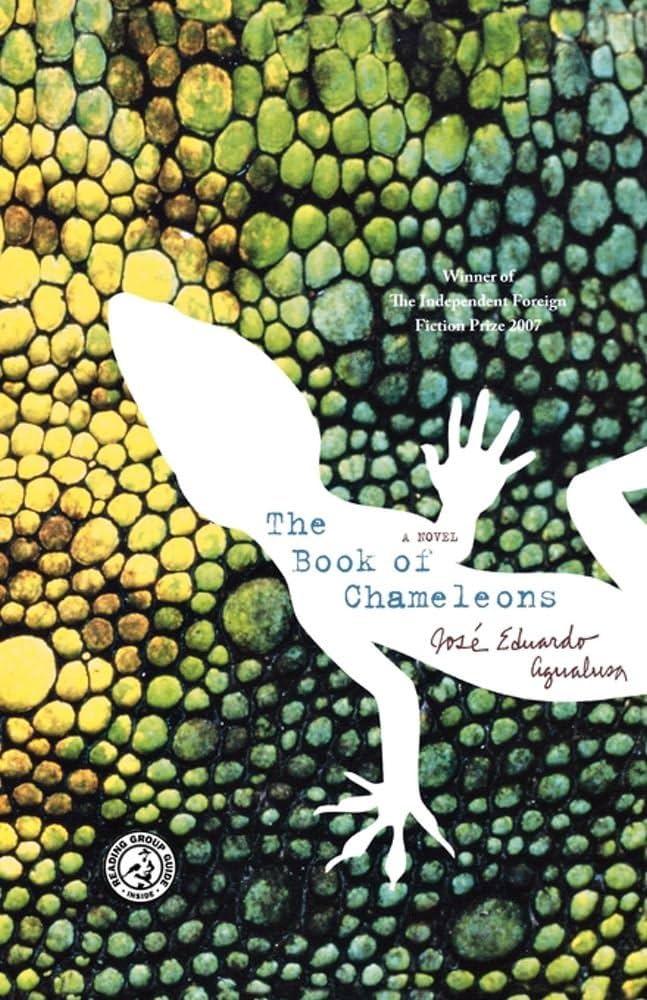
    The Book of Chameleons

    Jose Eduardo Agualusa (Translated by Daniel Hahn), 2008

    Jim keeps coming back to the Angolan novelist José Eduardo Agualusa, who blends history, politics, humor, and fantasy with rare elegance. The Book of Chameleons, translated from the Portuguese by Daniel Hahn, is narrated by a gecko living on the wall of a Luanda bookseller named Félix Ventura, who makes his living inventing new pasts for his clients: a family tree, a set of ancestors, a childhood better than the one they had. The gecko listens in on all of it, and remembers a past life of his own.

    When one client takes his invented history seriously enough to go looking for the mother Félix made up for him, the made-up lives begin to tangle with Angola’s real one, and the novel turns into a murder mystery along the way. It won the Independent Foreign Fiction Prize in 2007 and runs under two hundred pages. Jim reads it as a book about how much of who we are is remembered and how much is invented, a question that suits a country with a great deal it would rather forget.

  • READ
    Robby Adler Peckerar recommends

    The Only Cure: Freud and the Neuroscience of Mental Healing

    Mark Solms, 2026

    Mark Solms is the neuropsychologist who edited the Revised Standard Edition of Freud (2024), a thorough revision of James Strachey’s translation (the English Freud most of us have read) and Robby has followed that project closely. The Only Cure, published in August, carries the same care over into the clinic and the laboratory. Solms asks which of Freud’s claims a century of neuroscience has confirmed, where Freud went wrong, and what a psychoanalysis corrected by brain science might offer patients whom medication has failed.

    The book arrives just ahead of Ben Wurgaft’s four-session course Sigmund Freud’s Jewish Jokes, beginning November 12, which reads Jokes and Their Relation to the Unconscious as the work of a Jewish thinker building a science of the mind from the material of Jewish life. Readers who take up Rachel’s Bettelheim will find a second psychoanalyst here, writing sixty years on.

  • READ
    Jim Mavrikios recommends

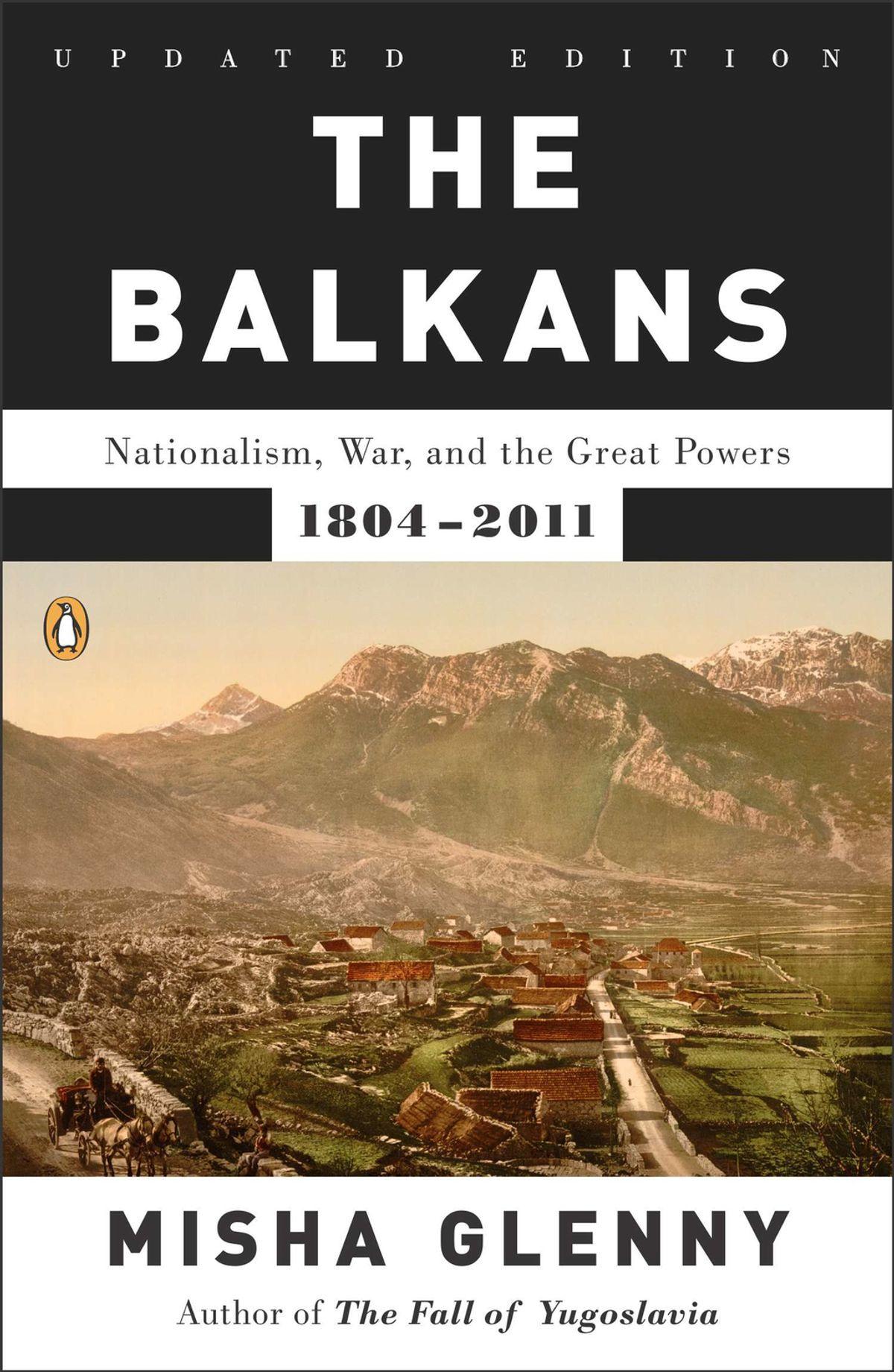
    The Balkans: Nationalism, War and the Great Powers, 1804–2012

    Misha Glenny, 2017

    Misha Glenny’s history of the Balkans opens with the Serbian uprising against the Ottoman Empire in 1804 and carries the story through the breakup of Yugoslavia, the wars of the 1990s, and the region’s uncertain path into the present century. Glenny untangles the interplay of nationalism, religion, empire, and great-power intervention, but the storytelling is what makes the book: vivid characters, unexpected alliances, political intrigue, and dramatic reversals across a vast and complicated history. His own Jewish origins add a further dimension to his view of a region whose past includes centuries of Jewish life alongside its many other communities, among them the Sephardic towns of Bulgaria where Rivka Amado‘s family history begins.

    At 706 pages the book asks for time, and Jim finds himself giving it happily, often as bedtime reading, with no wish to hurry to the end. It is a rare history book that makes getting through it beside the point. The pleasure is in being along for the journey.

  • READ
    Rachel Biale recommends

    The Children of the Dream

    Bruno Bettelheim, 1969

    Rachel Biale is rereading Bruno Bettelheim’s 1969 study of the kibbutz as she prepares her three-session autumn course, The Children’s House: Life, Literature, and Memory on the Kibbutz. For decades the Children’s House stood at the center of the movement’s vision of communal education: from infancy through the teen years, children lived and slept there, apart from their parents. Bettelheim spent several weeks on a kibbutz in the 1960s and came away with a book that admired the experiment in some respects and questioned it sharply in others.

    Its critique of communal child-rearing was controversial when it appeared, and Rachel finds it still has something to say to anyone thinking about family, community, and how children are raised. Selections from it sit on the course syllabus alongside stories by Amos Oz, memoir excerpts, and the documentary Children of the Sun. The course begins November 16.

  • LISTEN
    Robby Adler Peckerar recommends

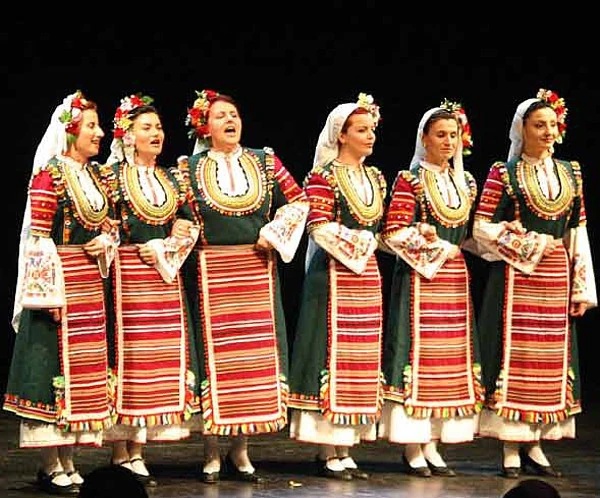
    Le Mystère des Voix Bulgares

    Some records make no sense as hits. Le Mystère des Voix Bulgares collects Bulgarian village songs sung by massed women's voices in dense, dissonant, gorgeously strange harmony. Assembled by Marcel Cellier in 1975 and reissued by 4AD in 1986, it became a worldwide obsession among listeners who couldn't understand a word and didn't need to. The words dissolve and the voices remain.

    Elias Canetti would have understood. Born in 1905 in Ruse, Bulgaria, to a family that spoke Ladino at home, he spent his earliest childhood listening to the young women of the household sing and tell folktales in Bulgarian, a language he later lost completely. The tales survived, arriving in his adult memory already translated into German. The voices outlasted the words for him too, and the man who spent fifty years writing about crowds and the human voice would have recognized exactly what this choir is doing. Also perfect to get you in the spirit for our upcoming Expedition to Bulgaria in the Spring of 2027!

  • READ
    Jim Mavrikios recommends

    The Secret Wife

    Dani Shapiro

    This piece by Dani Shapiro, originally published in The New Yorker, begins as a family mystery and unfolds into something much richer: a meditation on memory, inherited grief, religious obligation, and the stories families choose to tell, or keep hidden.

    Set within the world of mid-century American Orthodoxy, the piece follows Shapiro's investigation into her father's brief second marriage to a young woman dying of Hodgkin's lymphoma. Along the way, it raises difficult questions about duty, love, illness, and the cost of protecting people from painful truths. The result is a moving reflection on family history, personal identity, and the ways the past continues to shape us, even when the whole story remains hidden. It's one of those rare pieces that lingers long after the final paragraph.

  • READ
    Elle Aviv recommends

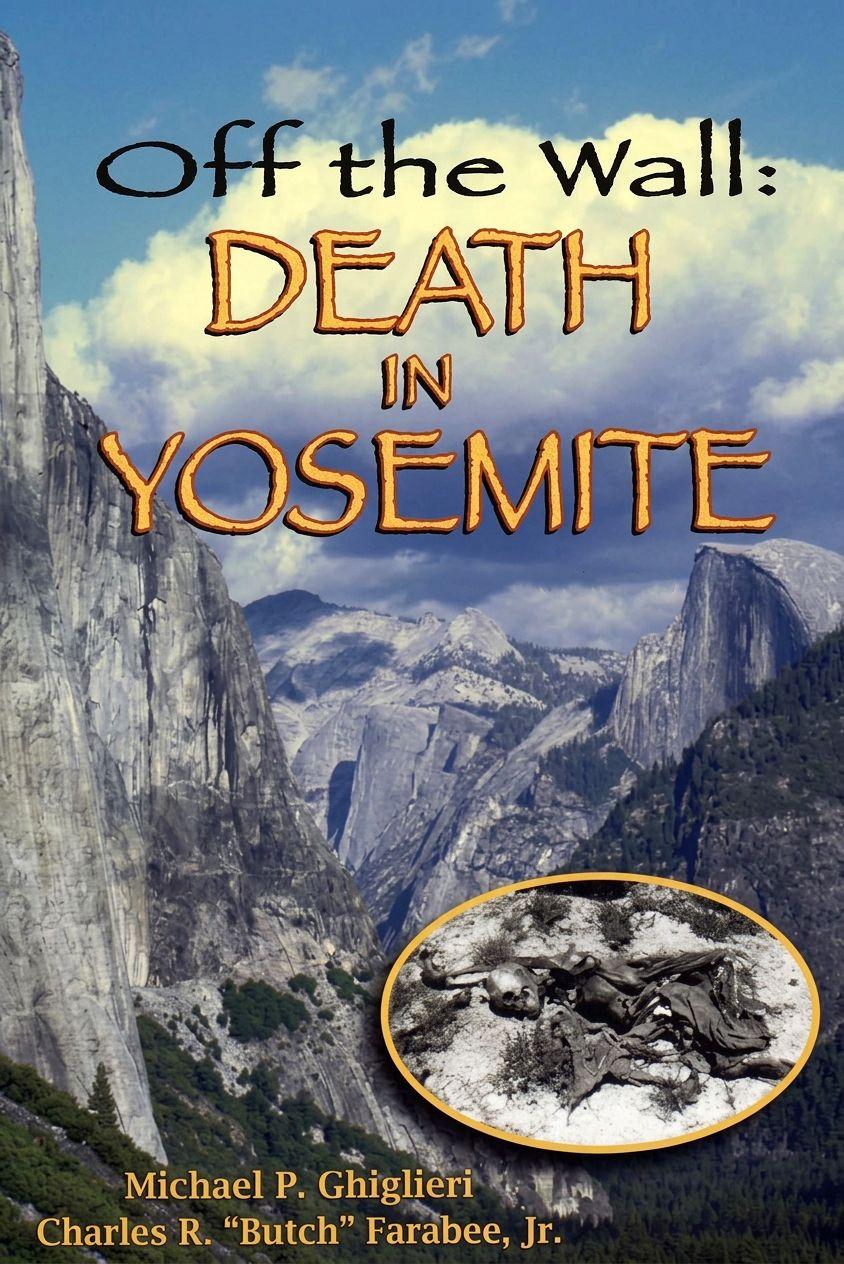
    Off the Wall: Death in Yosemite

    Michael Ghiglieri, Charles Farabee Jr.

    Elle Aviv is recently returned from camping in the Sierras, and recommends a fascinating, unusual book she and her partner found on their journey. Off the Wall: Death in Yosemite is a gripping and edifying catalog of all known fatal mishaps in America's first protected land. The 590-page tome (written by two veterans of the Sierra Nevada wilderness: river guide Michael Ghiglieri and Yosemite park ranger Charles Farabee, Jr.) starts out as unfiltered Schaulust, or macabre curiosity, but very quickly morphs into renewed awe and respect toward the (if the length of the book is any indication) frequently undervalued power of the mountains, rivers, and fauna within the Range of Light.

    From runaway carriages to star-crossed winter treks, from illegal BASE jumping to lightning strikes, the book presents a history of hubris and poor luck, along with amazing insights into the history and development of Yosemite. As Off the Wall goes to show: self-reliance is indeed a virtue, yet, untempered by fear, it can prove a fatal folly.

  • WATCH
    Robby Adler Peckerar recommends

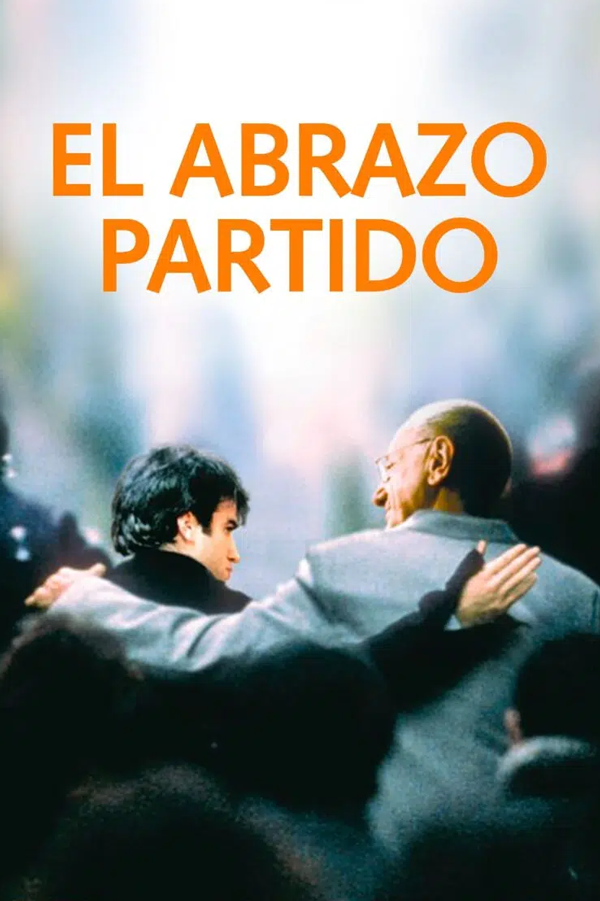
    Lost Embrace (El abrazo partido)

    Daniel Burman, 2004

    Daniel Burman's bittersweet 2004 comedy Lost Embrace (El abrazo partido), set in a crumbling Buenos Aires shopping arcade, where a restless young man among the Jewish shopkeepers chases a Polish passport and the truth about the father who left him. It won the Grand Jury Prize at Berlin, and its tango-tinged warmth makes it the perfect companion to our Jewish Argentina course.

  • READ
    Elle Aviv recommends

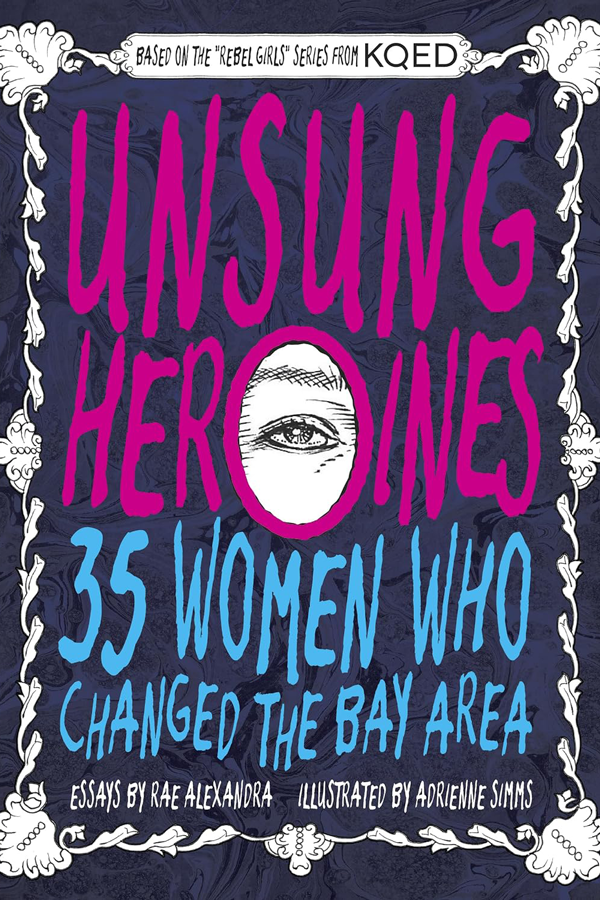
    Unsung Heroines

    Rae Alexandra

    Elle Aviv is enjoying a recent gift from City Lights Bookstore, where Unsung Heroines (2026) by Rae Alexandra was taking pride of place in the front display. Drawn from her KQED series, the collection corrects the historical record with 35 short profiles on Bay women spanning the Gold Rush to the present: the woman who sued San Francisco's streetcar system in 1863 and won; the first Chinese-American woman to register to vote; a Native activist who co-founded the first gay American Indian liberation organization.

    Vividly illustrated, briskly written, and surprisingly revelatory, the book offers us some grist toward the Bay mill of cultural rectification.

  • READ
    Jim Mavrikios recommends

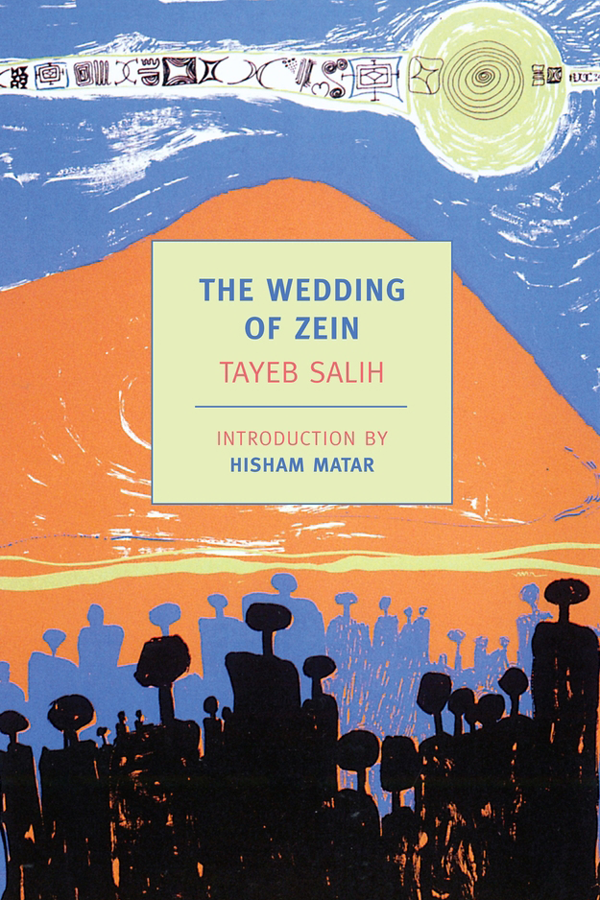
    The Wedding of Zein and Other Stories

    Tayeb Salih

    A masterful, folkloric collection by Tayeb Salih, set along the banks of the Nile. While many only know Salih for his classic Season of Migration to the North, these stories are, in Jim's opinion, just as rewarding. The main story (Jim's favorite) centers on Zein, the village eccentric whose unexpected engagement to the town's most coveted beauty upends a community caught between old-world mysticism and modern reality.

    Salih's prose captures the gossip of the marketplace and the quiet dignity of rural life with warmth and humor. By weaving together the everyday and the miraculous, he explores the complexities of Sudanese identity through a lens that feels both personal and universal. These stories are a great way to see a different side of his work and are well worth the read.

  • WATCH
    Robby Adler Peckerar recommends

    Barbara

    Mathieu Amalric, 2017

    Mathieu Amalric's hypnotic, genre-defying 2017 film about the legendary French-Jewish chanteuse born Monique Andrée Serf. Jeanne Balibar, in a César-winning performance, plays an actress preparing to portray Barbara in a biopic, and Amalric blurs the line between performer and subject until the two become almost indistinguishable. The film weaves in archival footage of the real Barbara, who hid with her family during the Nazi occupation, rose to fame from the tiny Parisian cabarets of the 1950s, and wrote songs — Dis, quand reviendras-tu ?, Göttingen, L'Aigle noir — that became landmarks of French culture.

    It's not a conventional biopic. It's a meditation on what it means to inhabit someone else's voice, and on why some artists continue to possess us long after they're gone. Especially timely alongside our Jewish Paris course with Nick Underwood.

  • LISTEN
    Elle Aviv recommends

    Dark Star

    Marlon Magnée, 2026

    Are you ready for some good old-fashioned fun but can't remember how that sounds? Elle Aviv prescribes Dark Star (2026) by Paris-based Marlon Magnée. The album is a melodramatic blend of rockabilly, cold wave, punk, electroclash, and enough synths to short-circuit your better judgment. This marks the first solo outing from the musician known for founding La Femme, one of France's most beloved indie bands.

    The best part? You will dance. You won't even have to try.

  • READ
    Jim Mavrikios recommends

    The Hairdresser of Harare

    Tendai Huchu

    A vibrant and deceptively sharp novel by Tendai Huchu, set in contemporary Zimbabwe. The story follows Vimbai, the undisputed star of a high-end salon, whose world is upended by the arrival of Dumisani, a charming and talented newcomer. What begins as a witty, street-level rivalry between stylists soon deepens into a profound exploration of class, power, and the cost of living authentically under a repressive regime.

    Huchu's prose captures the rhythmic gossip and intimate sanctuary of the salon, while gradually pulling back the curtain on the political tensions of the Mugabe era. The result is a compelling story about the unlikely partnerships we form to survive and the secrets even the closest friends keep from one another.

    Find it at your local independent bookstore or library.

  • WATCH
    Jim Mavrikios recommends

    Tinghir-Jerusalem: Echoes from the Mellah

    A moving documentary and a perfect companion to our upcoming Judeo-Moroccan Arabic 1 course. The film captures the voices of a generation that still speaks this endangered dialect, following its journey from the Moroccan Atlas Mountains to the communities where it lives on today.

    Having taught Moroccan Arabic for years and authored a textbook on it, Jim suggests this film as a rare opportunity to hear the language spoken by those who grew up with it.

  • READ
    Robby Adler Peckerar recommends

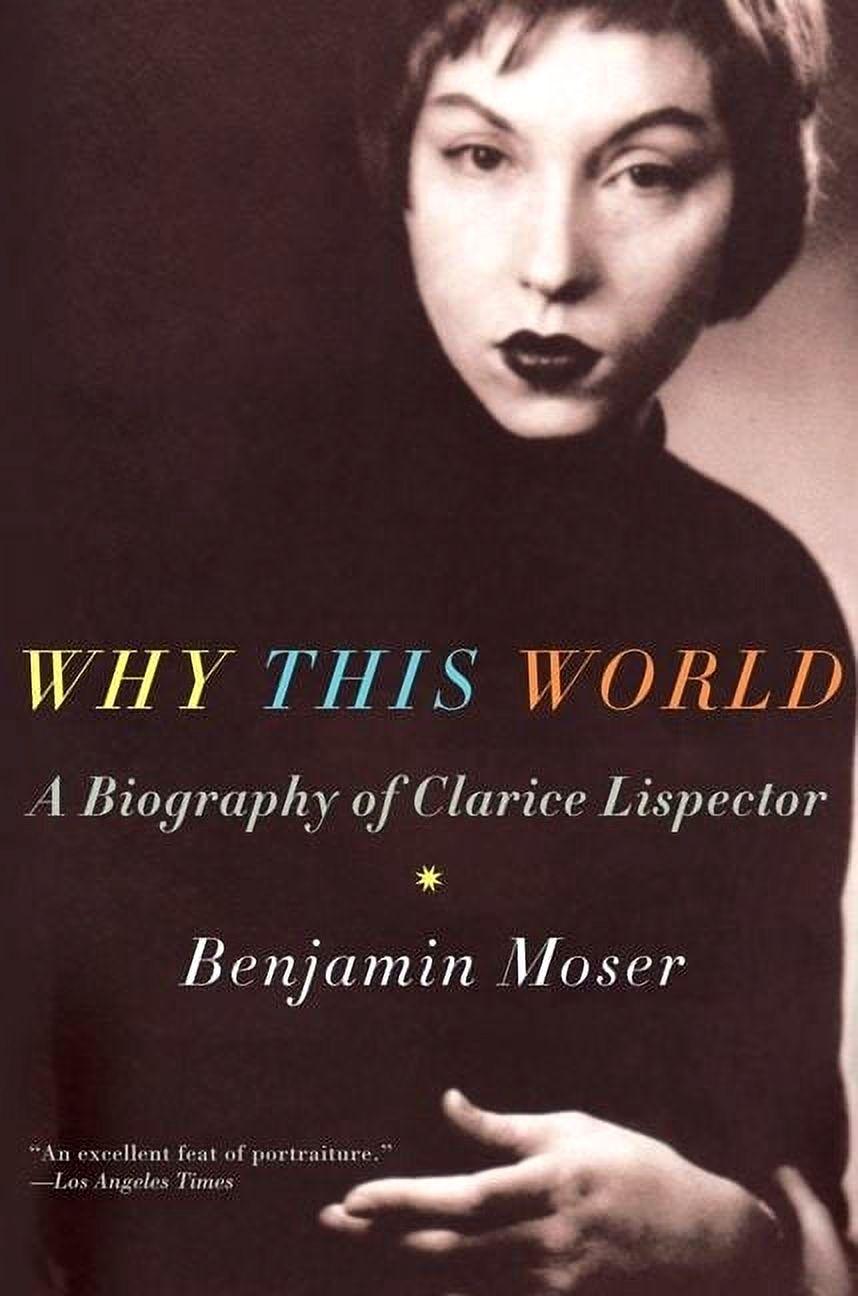
    Why This World: A Biography of Clarice Lispector

    Benjamin Moser

    Benjamin Moser's biography is ideal preparation for our course on Clarice Lispector. It traces her life from Chechelnyk in Podolia—yes, the same corner of Ukraine that produced Rabbi Nachman of Bratslav—through immigration to Recife, years in Europe and Washington, DC, and finally to Rio, where she became a literary icon and made Portuguese do things it had never done before.

    Moser shows how the strangeness that has mystified Lispector's readers for decades has deep roots in Jewish textual and mystical traditions, making her as much an heir to Nachman and Kafka as to any Brazilian modernist.

    Find it at your local independent bookstore or library.

  • READ
    Elle Aviv recommends

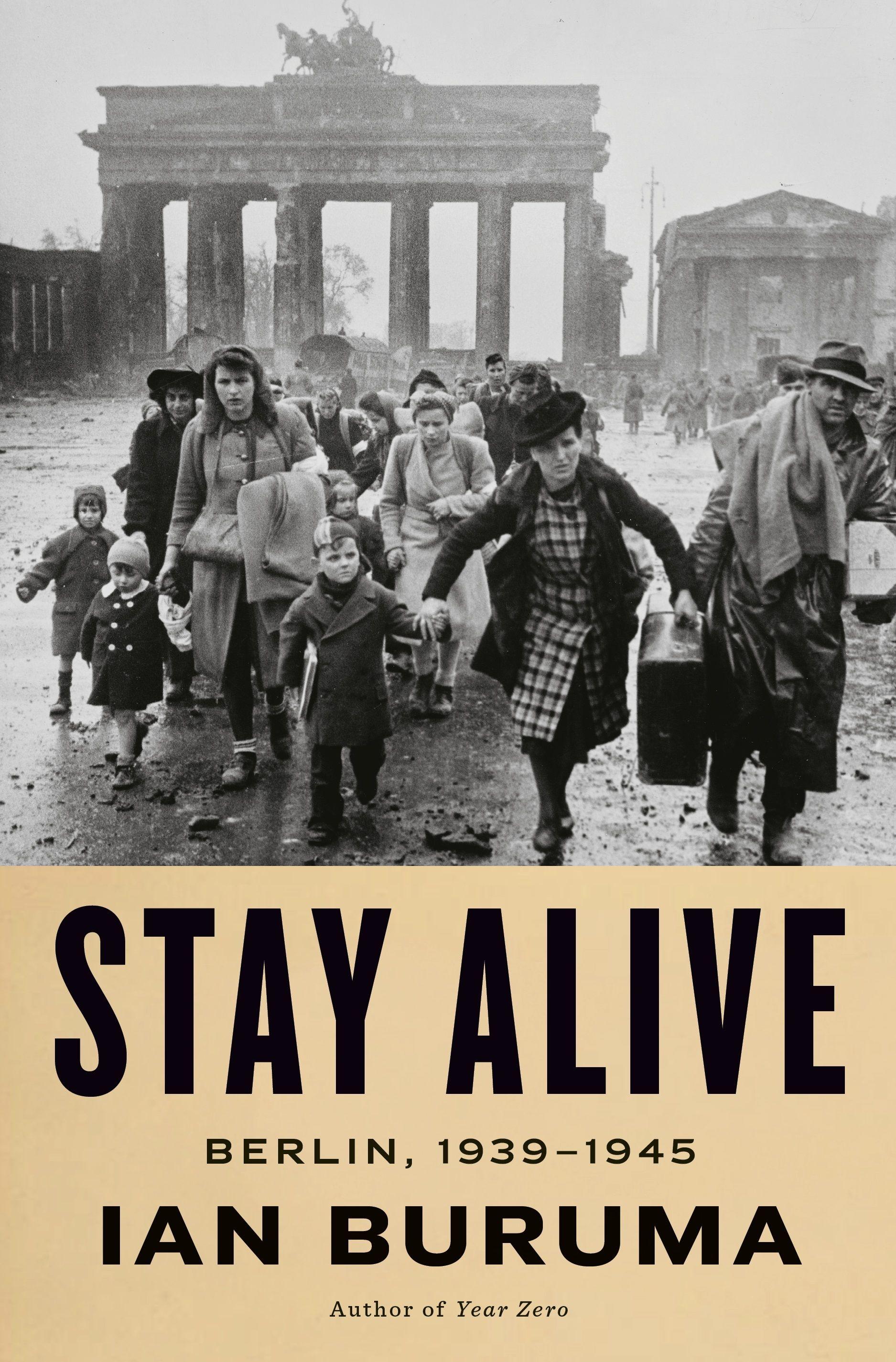
    Stay Alive: Berlin 1939-1945

    Ian Buruma

    Elle Aviv is just beginning to read this much-anticipated book by Dutch historian Ian Buruma, former editor of the New York Review of Books. A chronicle of life in the German capital under the Third Reich, it asks what everyday people did as the state descended into increasingly brutal totalitarianism.

    One such adaptation concerned how people said goodbye: as Allied bombing intensified and the Red Army drew nearer, Berliners dropped "Auf Wiedersehen" for "Bleiben Sie übrig" ("Stay alive"). By war's end, Berlin's population of 4.2 million had fallen by nearly half.

    Find it at your local independent bookstore or library.

makeityours

Membership puts you at the center of what we do

  • 01⅔ OFF ALL PROGRAMS
  • 02ON-DEMAND LEARNING WITH OUR VIDEO LIBRARY
  • 03ADVANCE NOTICE FOR ALL SPECIAL EVENTS
Support us